Welcome to the Mattonian Projects and Proposals page, your comprehensive resource for information on our nation’s active initiatives and upcoming plans. Here, you will find detailed insights into the projects that are shaping the future of Mattonia, fostering sustainable development, and enhancing the quality of life for all citizens.
Active National Projects:
Explore our ongoing projects that are currently transforming Mattonia. From renewable energy initiatives and infrastructure improvements to educational programs and community development efforts, learn about the impactful work being carried out across the country. Each project listing provides an overview, key objectives, progress updates, and ways you can get involved.
Proposed Plans:
Discover the exciting proposals and future plans that aim to further the growth and prosperity of Mattonia. These proposed initiatives reflect our commitment to innovation, sustainability, and the well-being of our people. Detailed descriptions, expected outcomes, and timelines offer a glimpse into what lies ahead for our nation.
Whether you are a citizen, a supporter, or a foreign diplomat, this page is designed to keep you informed and engaged with Mattonia’s vision for the future. Together, we can build a stronger, more resilient, and prosperous Mattonia.
Active Projects
• Pine Belt Conservation Project (PBCP)
• Asbest-Mattonian Energy Sustainability Alliance (AMESA)
• Mattonia’s Renewable Energy Transition
• Royal Office Project
Proposed Future Projects
• Pine Log Castle
Active Projects
The Pine Belt Conservation Project (PBCP)
The Pine Belt Conservation Project stands as a testament to Mattonia’s commitment to environmental stewardship.
Nestled within the kingdom’s Southern Territory, this initiative harmonizes sustainable forestry practices with the preservation of the forest ecosystem.
Key components of the project:
•Sustainable Forestry Practices:
Mattonia adheres to strict environmental laws governing its pine tree farm. The project emphasizes responsible logging, ensuring that only mature healthy trees are harvested.
Reforestation efforts involve planting native pine species, maintaining native biodiversity, and preventing soil erosion.
•Life Cycle Approach:
The project follows a holistic cycle: planting, growing, and harvesting. Each phase is meticulously managed to minimize ecological impact.
Planting: Saplings are carefully selected and planted, contributing to forest health and regeneration.
Growing: Mattonia nurtures the trees with annual clearings and burnings, allowing them to thrive, sequester carbon, and regenerate the soil.
Harvesting: Only mature trees are felled during harvests, promoting sustainable timber production.
•Ecosystem Health:
Mattonia actively monitors the forest’s health. Regular assessments ensure that biodiversity flourishes, wildlife habitats remain intact, and water quality is preserved.
Invasive species control and fire prevention are integral to maintaining a resilient ecosystem.
•Community Engagement:
The Pine Belt Conservation Project involves local communities. Mattonia educates residents about sustainable practices and encourages their active participation.
Community tree-planting events foster a sense of ownership and pride.
Research and Innovation:
Mattonia collaborates with organizations and research institutions. Studies focus on forest resilience, climate adaptation, sustainable timber management, and soil regeneration.
Innovative techniques, such as precision logging and drone-based monitoring, enhance project effectiveness.
Impact and Future Aspirations:
Mattonia’s Pine Belt Conservation Project not only ensures a steady supply of timber and economic growth, but also safeguards the environment for generations of Mattonians to come. As the forest thrives, it becomes a living legacy—a testament to Mattonia’s dedication to both its citizens and the natural world.
Asbest-Mattonian Energy Sustainability Alliance (AMESA)
AMESA’s primary goal is to ensure sustainability while promoting the exchange of technical knowledge.
Mattonia will kick off this alliance with the construction of a solar farm in 2024-2025, followed by a hydroelectric dam in 2026-2027. By 2028-2030, the kingdom will either expand the hydroelectric system or build a wind farm.
Key Objectives:
•Renewable Energy Infrastructure Projects:
AMESA focuses on the strategic implementation of renewable energy projects, such as solar farms, wind turbines, small hydroelectric dams, and fusion reactors, to reduce reliance on non-renewable resources and promote clean energy alternatives.
•The project timeline is clear:
•Phase 1 (2024-2025): Mattonia will build a solar farm while Asbest continues fusion energy research and explores additional energy sources.
•Phase 2 (2026-2027): Mattonia constructs the hydroelectric dam as Asbest expands solar and wind projects alongside fusion research.
•Phase 3 (2028-2030): Mattonia will either expand the hydroelectric capacity or construct a wind farm. Asbest aims for the full operation of its fusion energy plant and scaling up of solar and wind energy systems.
•Energy Efficiency Programs:
The alliance works to enhance energy efficiency and resilience in residential and industrial sectors through education, incentives, research, support for energy-efficient technologies, and practices.
•Community Engagement:
AMESA actively engages with local communities to raise awareness about sustainable energy and encourage participation in energy conservation efforts. This includes workshops, public events, and educational campaigns.
•Research and Development:
The alliance supports research and development initiatives to explore new technologies and methods for sustainable energy production and consumption.
•Policy Advocacy:
AMESA advocates for policies and regulations that promote sustainable energy and environmental protection, working closely with policymakers to create a supportive legislative framework.
Through these efforts, AMESA aims to create a more sustainable and resilient energy future for Asbest and Mattonia, ensuring a healthier environment and a stronger, more prosperous community.
Mattonia’s Renewable Energy Transition
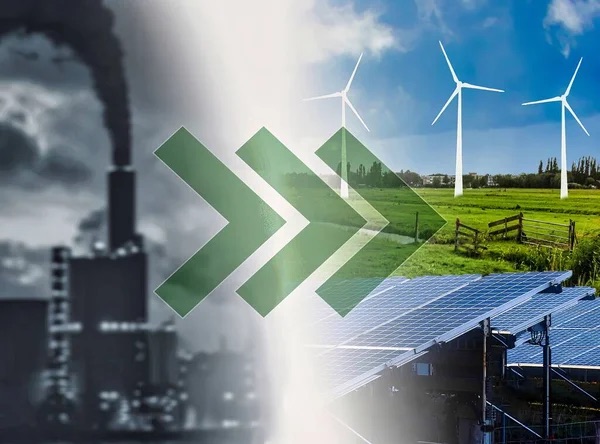
Mattonia, with a steadfast commitment to sustainability, is embarking on a transformative journey toward renewable energy through the Renewable Energy Transition.
Key Objectives:
•Solar Power
Mattonia is attempting to harness the abundant sunlight within its borders, with the planned construction of the Royal Solar Field. This project is phase 1 of AMESA, planned and budgeted to be completed in 2025 along with the new Royal Office.
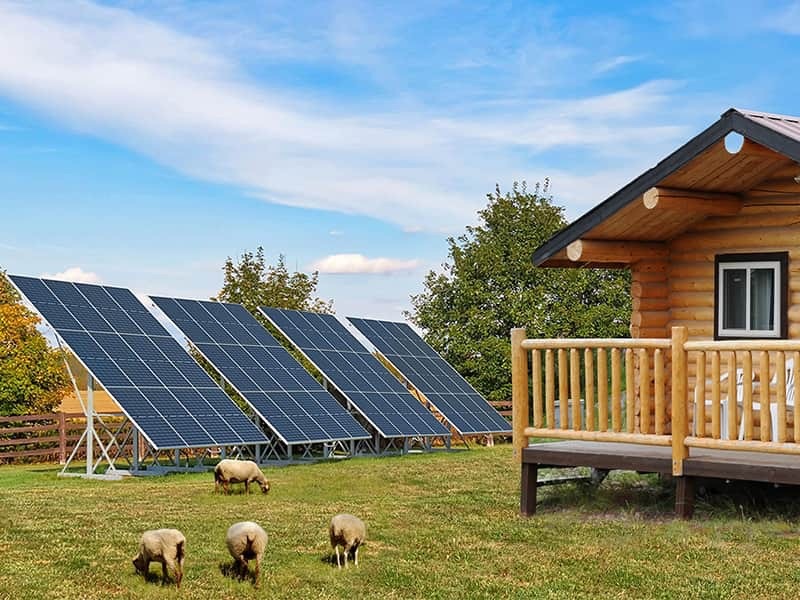
The Royal Solar Field is planned to be a small but advanced system, capturing solar energy through photovoltaic panels, and storing the excess energy in a battery and electrical generator system.
These solar panels will not only power Mattonian homes and Royal Office, but also contribute surplus energy to the grid, reducing reliance on fossil fuels.
•Hydroelectric Energy:
Mattonia hopes to implement an ambitious plan to construct a small hydroelectric dam on one of its creek systems. Aiming to harness the natural flow of water to generate clean, renewable electricity for our communities. As phase 2 of AMESA, this project is scheduled to be completed in 2026.
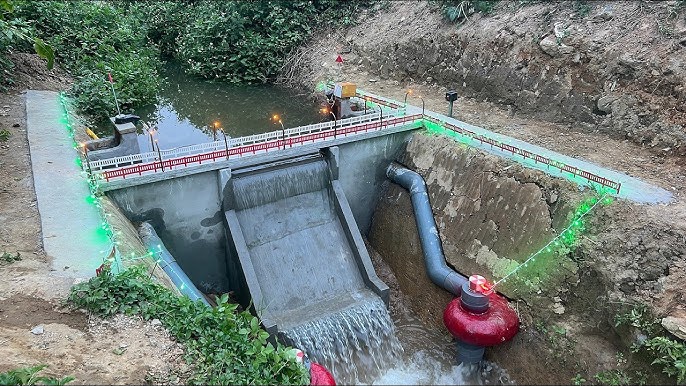
The small hydroelectric dam will be strategically located on a small waterway within Mattonia. The project is designed to have minimal environmental impact while maximizing energy production, providing a reliable source of electricity to support local households, businesses, and public infrastructure.
The hydroelectric dam will serve as a living laboratory for researchers, students, and environmentalists, offering valuable insights into renewable energy technologies and sustainable practices.
•Wind Energy:
In a bid to diversify and expand Mattonia’s green energy infrastructure, wind farms are planned to be constructed and completed between 2027 and 2030. These wind farms will be the phase 3 of AMESA infrastructure expansion projects, and improve the already improved and strengthened energy infrastructure.
•Community Empowerment and Education
Mattonia actively involves its citizens in the transition. Educational programs raise awareness about renewable energy benefits and encourage sustainable practices.
Local workshops empower residents to adopt solar panels, wind turbines, and energy-efficient technologies.
•Economic Diversification
The transition isn’t just about energy—it’s about livelihoods. Mattonia supports green industries, and creating jobs in related fields. By nurturing local talent, Mattonia ensures that its people thrive alongside the environment.
•Policy and Innovation
Mattonia’s government enacts policies that incentivize renewable energy adoption. Tax breaks, grants, and research funding drive innovation in Mattonian industry and energy. Collaborations with organizations and research institutions hope to yield breakthroughs in energy storage, grid management, and efficiency.
Mattonia’s Renewable Energy Transition isn’t just about kilowatts; it’s about stewardship. Mattonians envision a future where clean energy sustains their kingdom and leaves a legacy for generations to come.
New Royal Office Project
The need for a dedicated space His Majesty can utilize for his duties related to running the kingdom has become quite apparent. This has created an opportunity for Mattonia to experiment with renewable and refurbished building materials.
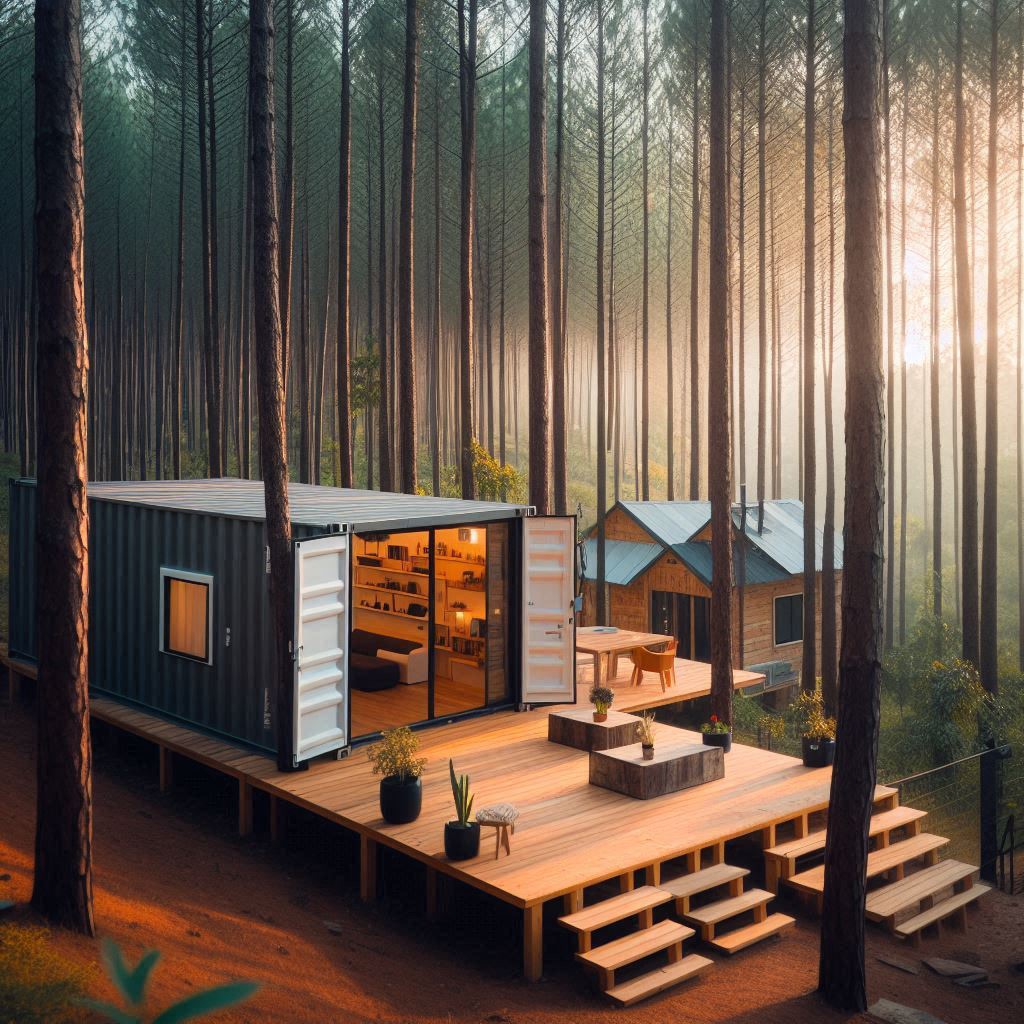
The office will be constructed using a 20ft shipping container. After wind and water proofing this will provide Mattonia with a cost effective, robust frame that will better resist the humid climate and severe weather of the Southern Territory.
This project will be built during the same time period as the Royal Solar Farm. (2025) Which will directly power the Royal Office with clean renewable energy.
Proposals
Pine Log Castle
The Kingdom of Mattonia envisions constructing a magnificent castle from shipping containers, grain silos, pine tree logs, and black stone from the Rocky Mountains. Coming together as a structure that will stand as a testament to the nation’s cultural heritage, environmental commitment, and the resilient spirit of its people.
Design Philosophy:
The castle’s design will be deeply rooted in Mattonian values. It will be built using refurbished/renewable materials, with sustainably harvested pine logs from the kingdom’s own Royal Pine Tree Farm, ensuring that the construction process aligns with Mattonia’s environmental laws. The use of pine wood not only reflects the kingdom’s primary export but also symbolizes the strength and endurance of the Mattonian people.
Architectural Style and Features:
The castle will feature a modernized blend of traditional architectural elements inspired by the American South and the medieval castles of Europe. Its towers will rise high, adorned with striking black stone from the Rocky Mountains, and offering panoramic views of the surrounding forests and capital city. With four towers in total, three of the towers will house spiral staircases. Allowing access to each of the floors, as well as an observation deck atop on the roof. One tower will host a service elevator, as well as an observatory, to further the kingdom’s research into the cosmic realm.
The main keep, made in an octagonal shape from 40ft shipping containers, two wide and two stories high. Allowing for an inner courtyard, will house the royal quarters, state rooms, and administrative offices, while the outer walls will be adorned with the pine tree logs harvested from the Royal Pine Tree Farm. Giving the castle a log cabin look, with a hardy metal frame. The log siding will also give a striking contrast to the black stone towers surrounding the castle.
Cultural Integration:
The castle will serve not only as the heart of government and the crown, but also a cultural hub for the kingdom. Hosting art exhibitions, performances, and royal ceremonies. Its halls will echo with the sounds of jazz and blues, and its galleries will display works by Mattonian artists. The octagonal design with a large courtyard, will allow space for the public to gather and celebrate the kingdom’s vibrant festivals, culture, and traditions.
Environmental Sustainability:
In keeping with Mattonia’s environmental initiatives, the castle will be a model of green architecture. It will utilize renewable energy sources, such as solar panels and wind turbines, and feature water conservation systems, like rain water collection, and storage. The surrounding grounds will be landscaped with native flowers, plants, and trees serving as a refuge for pollinators and song birds.
Symbol of Resilience:
The pine log castle will stand as a symbol of Mattonia’s resilience. It will be constructed to withstand the test of time, just as the Mattonian people have endured and thrived. The castle will be a physical manifestation of King Joshua I’s vision for a nation that honors its past while building a sustainable future.
International Cooperation:
The castle will also be a venue for international cooperation, hosting diplomatic events and summits. It will provide a neutral ground for discussions on global issues, furthering Mattonia’s role as a mediator and advocate for peace and environmental stewardship.
In essence, the pine log castle will be more than just a royal residence; it will be a living monument to Mattonia’s identity, a place where culture, nature, and the indomitable Mattonian spirit come together to create a legacy for generations to come
 The Kingdom of Mattonia